Muscat and Salalah can belong to the same holiday, but joining them by road is a substantial travel commitment. Decide whether the journey itself is part of the experience or whether your main aim is more time in Dhofar. A multi-day drive, a return road itinerary and a flight with separate local rental each have different costs and practical demands. Vrenty Car helps you compare those choices; it does not guarantee one-way cars, local inventory or road conditions. Localrent handles booking, and the selected supplier must confirm the vehicle, route and return arrangements.
Decide what you want from the travel days
If your interest is the journey across Oman, allocate real time to it rather than treating the drive as a transfer to be completed as quickly as possible. Plan overnight stops, breaks and daylight driving around the people travelling. If your interest is mainly Salalah and its surroundings, compare flying with a separate rental there. The road option should earn its place in the itinerary through experiences you want, not only through the apparent simplicity of keeping the same car.
Compare usable holiday time. A flight has airport procedures and two vehicle handovers if you rent in both cities, while a road journey uses long periods behind the wheel and may require accommodation en route. Neither is automatically cheaper or more convenient for every group. Consider whether the driver enjoys sustained intercity travel and how children or other passengers manage it. The best plan gives you enough energy to enjoy the destination after arriving.
Map the whole route, including the return
Use current navigation for the exact addresses and stops you intend to connect, then examine the route as a sequence of realistic driving days. Do not treat a single continuous journey estimate as a recommended schedule. Add fuel, meals, rest, parking and accommodation access. A main inland journey and a longer coastal itinerary are different plans; the coastline is not simply a scenic label that can be added without changing time and distance.
If you will return the car in Muscat, include that entire return journey before deciding whether the rental fits. Travellers sometimes plan the outward adventure carefully and leave the return as an afterthought. This can turn the final days into a rushed drive that cancels out the benefit of the trip. If a different return city is essential, establish a confirmed one-way offer first. Do not arrange a flight out of Salalah on the assumption that the Muscat supplier will accept the car there.
Confirm mileage before comparing prices
A long itinerary makes the mileage allowance an important part of the price. Add the intercity legs, local excursions, hotel access and a sensible margin for ordinary deviations. Ask how the allowance is calculated and what an extra kilometre would cost under the offer. A daily allowance, an allowance across the rental and unlimited mileage have different implications, so read the actual wording rather than assuming how it works.
Compare complete costs using the same route and duration. Include confirmed delivery or one-way charges, planned additional drivers, protection choices and equipment. A low daily rate can be outweighed by distance charges on a long journey, while a larger vehicle can increase other travel costs. Start with Oman car rental options after defining the route and dates, then ask for clarification of any mileage condition you cannot reconcile with the intended trip. An editorial itinerary is not a supplier quotation.
One-way rental must be an explicit arrangement
Check whether the booking process actually offers the required collection and return combination for your dates. If it does, review the exact Salalah return point, time, fee and handover procedure. A supplier advertising cars in Oman or listing more than one city does not necessarily support returning a particular vehicle elsewhere. Written confirmation should make clear where the vehicle is collected and where the rental ends.
Consider how the return location fits your onward flight or accommodation. A city address and an airport appointment are different logistics. Ask what happens if your flight changes or if you need to return outside the originally agreed time. Do not leave the car with a different business because its name looks similar or it also works with a booking platform. The provider named in your rental must authorize the handover. The booking policy reading guide explains why location changes should be settled before they become travel assumptions.

Choose comfort that supports several travel days
Seat comfort, air conditioning, luggage capacity and familiar transmission controls deserve attention when the car will be used for extended stretches. Count luggage with every passenger seat occupied and include items needed during the journey. Keep essentials accessible without unloading the entire boot at a rest stop. A larger category is useful only if it solves a real space or comfort need and remains manageable for the driver.
Inspect the supplied car carefully, raising concerns about tyres, warning lights or equipment before leaving. Ask how to reach assistance along the permitted route and what procedure applies if the vehicle cannot continue. Do not assume a vehicle is suited to your plan solely because its photograph looks robust. If multiple people will drive, arrange each driver under the supplier's conditions. Sharing driving can help distribute the workload, but it does not remove the need for breaks, rest or a realistic daily schedule.
Plan overnight stops as part of the route
Select accommodation that can be reached without stretching the day's drive and confirm that it will be open for your expected arrival. Check parking, food availability and any late-arrival procedure with the property. A map pin or old listing is not enough when it is the only planned stop for the night. Save the address and contact information offline, and identify an alternative in case your schedule changes significantly.
Avoid setting a daily target that requires you to ignore fatigue or continue in poor conditions. Stop earlier when necessary and communicate with the booked property and supplier if the wider itinerary is affected. Travelling companions should understand that a safe stopping decision can change the plan. Make the overnight stay a genuine recovery period rather than a very short pause before another demanding day. The purpose of breaking the journey is to preserve attention and comfort, not simply to divide a distance on paper.
Fuel and supplies need deliberate margins
Review potential fuel and rest locations along each day's intended main-road route before leaving the previous stop. Confirm the correct fuel for the car and refuel while there is comfortable range remaining. Do not assume every mapped station is open, operating or accepting the payment method you carry. A reasonable reserve of drinking water and basic travel supplies is useful, especially when your group has specific dietary or medical needs.
Keep phone charging available and download useful route information for areas where connectivity may be limited. Let someone appropriate know your broad plan when travelling a long section, and keep the supplier's assistance details accessible. These preparations do not justify leaving approved roads or attempting a desert shortcut. If navigation suggests an uncertain route, stay on the confirmed main-road itinerary and seek clarification. A line across an empty-looking map is not evidence of a suitable or authorized road.

Use the driver as the pace-setter
Agree before departure that the driver can request a break or end the day's travel without debate about making up time. Monotonous sections can be tiring even when the road appears straightforward. Schedule stops around alertness and passenger needs, and avoid treating a second driver as permission to extend the day indefinitely. Both drivers need appropriate documents, contractual authorization and rest.
Do not plan to complete the longest leg immediately after an overnight flight. The Muscat Airport rental guide explains why collection and the first drive should match your arrival condition. A night's rest in Muscat can be a more useful start to a long road itinerary than a rapid handover followed by hours of driving. If holiday time is too limited to allow that margin, flying to Salalah may better serve the purpose of the trip.
Khareef changes the Dhofar planning question
Khareef is an important seasonal context for Salalah and Dhofar, but it should not be reduced to a promise of a particular view or easy driving. Check current official forecasts and local access information for the dates and places you plan to visit. Visibility, wet surfaces and changing conditions can alter the practical pace of an outing. The weather at your Muscat departure point does not describe the conditions awaiting you farther south.
Allow flexible days around local activities instead of booking every excursion against a fixed scenic expectation. Follow warnings, barriers and instructions, and do not cross flooded roads or wadis. Use designated parking and viewpoints; a green roadside landscape is not automatically a permitted stopping or driving area. Ask accommodation staff or a relevant local operator about current access, then verify official warnings as needed. This page is a planning guide, not a current weather bulletin or a certification that a particular Dhofar route is open.
Flying and renting locally can simplify the holiday
Compare the available flight with transport to and from both airports, baggage needs and the actual local rental options. A separate Salalah rental avoids carrying a Muscat car across the country, but it creates another booking with its own documents, deposit and payment conditions. Confirm local availability and the exact handover rather than assuming the same supplier or terms will apply. An airport arrival also needs a realistic collection time after luggage retrieval.
If you keep a Muscat rental while flying south, calculate the unused rental days, parking arrangements and any supplier restrictions on leaving the car. Returning it before the flight and making a new booking later may be more practical, but compare the full costs and logistics. There is no universal winner. The useful comparison is between two complete plans that include all vehicle handovers, deposits, accommodation and travel time, rather than between a flight fare and one day's rental rate.
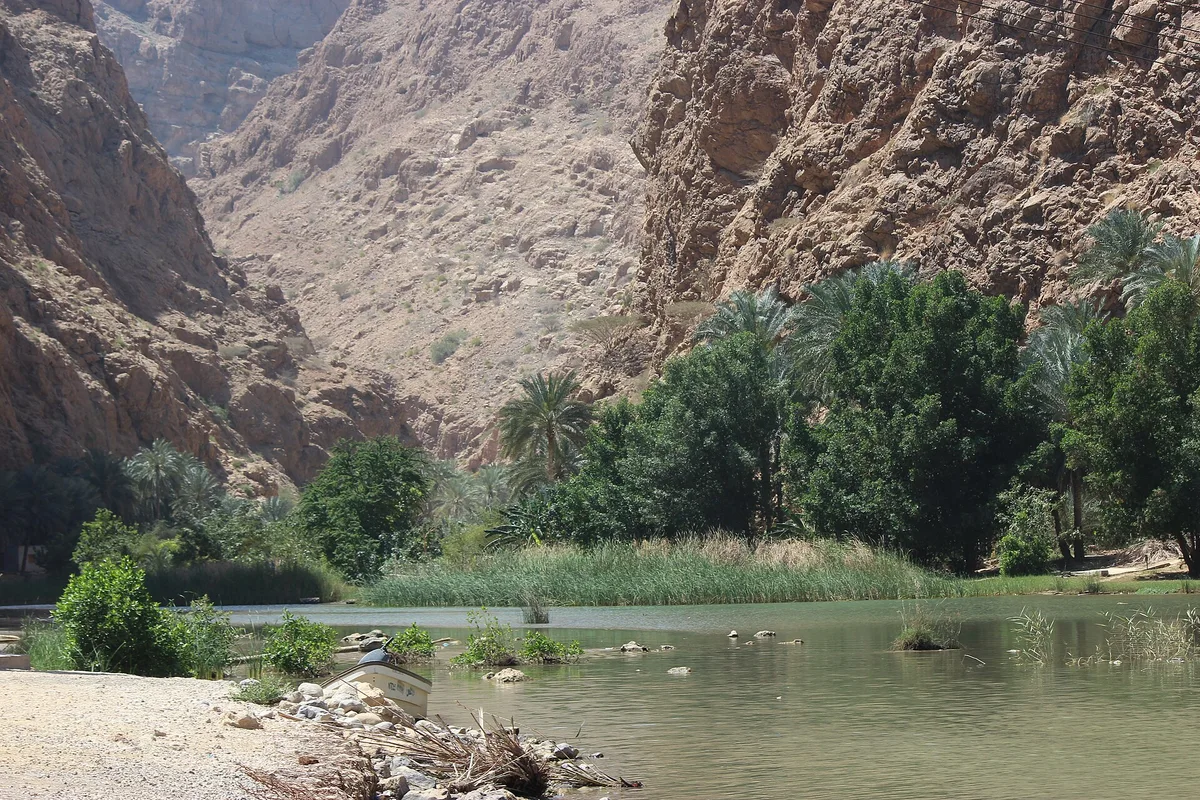
Keep local excursions within the agreement
After reaching Salalah, reassess each local journey on its own merits. A car that was suitable for a main-road intercity drive is not automatically authorized for beaches, tracks or other off-road destinations. Ask about the specific places you intend to visit if the conditions are unclear. Follow current signs and closures even when a destination appears in a general tourism campaign. Promotional imagery is not a vehicle-access permit.
Leave time to enjoy fewer places rather than measuring success by the number of pins visited. If a day involves walking or another activity, include that effort in the driver's workload before the road home. A scenic excursion can be tiring in its own way, particularly when visibility or weather requires extra attention. Keep the remaining mileage allowance and rental end date in view so an optional detour does not create an avoidable charge or a rushed final return.
| Plan | Potential advantage | Essential check |
|---|---|---|
| Drive and return to Muscat | One vehicle throughout the holiday | Enough days and mileage for both directions |
| Confirmed one-way road trip | No return drive to the original city | Actual offer, return location and total fee |
| Fly and rent in Salalah | More time for the southern destination | Flight logistics and separate local rental availability |
| Northern Oman only | A simpler itinerary with fewer travel days | Whether Salalah fits better on another trip |
Leave the final day free of avoidable pressure
Finish the road journey with enough margin before a flight or rental return. Do not build an essential departure around a long final leg that has no room for weather, rest or an unexpected problem. Confirm the final fuel requirement and return instructions early, especially for a different city. Save any revised handover arrangement in writing so the supplier knows when and where to expect you.
If the itinerary no longer fits, contact the supplier and relevant travel providers before changing the rental duration or location. An extension depends on availability and agreement; it is not created by continuing to use the car. Keep receipts and handover records until all payments are resolved. For common disruptions and the correct contact route, use the Oman rental help guide. A clear final arrangement lets the long journey end as deliberately as it began.
Questions & answers
Should I drive from Muscat to Salalah in one stretch?
This guide recommends planning a substantial road journey with appropriate rest and overnight stops rather than treating a continuous navigation estimate as a target. Assess the driver, passengers, conditions and available days. Flying can be a better fit when the holiday is short.
Can I always return a Muscat car in Salalah?
No. One-way availability, the return location and any charge must be explicitly offered and confirmed for your booking. A country-wide catalogue or a Salalah destination page does not establish permission to leave any Muscat rental there.
Do I need 4WD for this journey?
Choose according to the exact permitted roads and current conditions, not the country's desert imagery. A main-road plan differs from mountain access or off-road travel. Confirm your itinerary with the supplier and do not use a 4WD booking as permission for desert shortcuts.
Is Khareef a guarantee of suitable sightseeing weather?
No. Seasonal descriptions do not replace current forecasts and access instructions. Allow flexible plans, prepare for conditions that may affect visibility or surfaces and follow closures. Check each local excursion separately after reaching Dhofar.